Pallet Racking Inspection
Expert inspections at least every 12 months, as HSG76 sets out, by inspectors whose qualification card and insurance we check first.
Get a quoteHow damage is graded
Green record and watchAmber repair within 4 weeksRed offload nowRacking and the law, in three lines
- Regulation
Pallet racking is work equipment, so PUWER 1998 regulation 6 applies: where it can deteriorate, a competent person has to inspect it at suitable intervals.
- Interval
HSE's warehousing guide HSG76 puts the expert visit at no more than 12 months apart, with your own staff looking weekly in between.
- Ask for
A written report for your person responsible for racking safety, listing every defect by aisle and bay with a green, amber or red rating. Keep it until the next inspection (PUWER reg 6).
After the inspection
The report is only useful if something happens next. These pages cover the repairs, the checks your own team keeps up between visits, and the rules behind it all.
Inside a good inspection report
An expert inspection ends with a written report addressed to whoever is responsible for racking safety on site. A good one is specific enough that a fitter could walk straight to each defect.
- A defect scheduleEvery damaged component by aisle, bay and beam level, with its green, amber or red rating.
- Load notice findingsWhether each run carries a notice showing safe loads, and whether the loads you store match it.
- Configuration changesBeams moved, bays added or frames swapped since the last visit, and whether they were approved.
- Protection and floor fixingsMissing column guards, end barriers, base plates or anchor bolts.
- A date for the next visitUsually twelve months on, sooner if the inspector thinks damage rates call for it.
Most single warehouses pay around £440 to £600 plus VAT for the annual visit (our estimate from published UK prices). See the cost guide and calculator.
How an inspection day runs
Most single-building sites take half a day to a day. Nothing has to be emptied in advance.
Plan the walk
The firm asks for a layout drawing, pallet location count and any areas with forklift traffic at shift change.
Walk every aisle
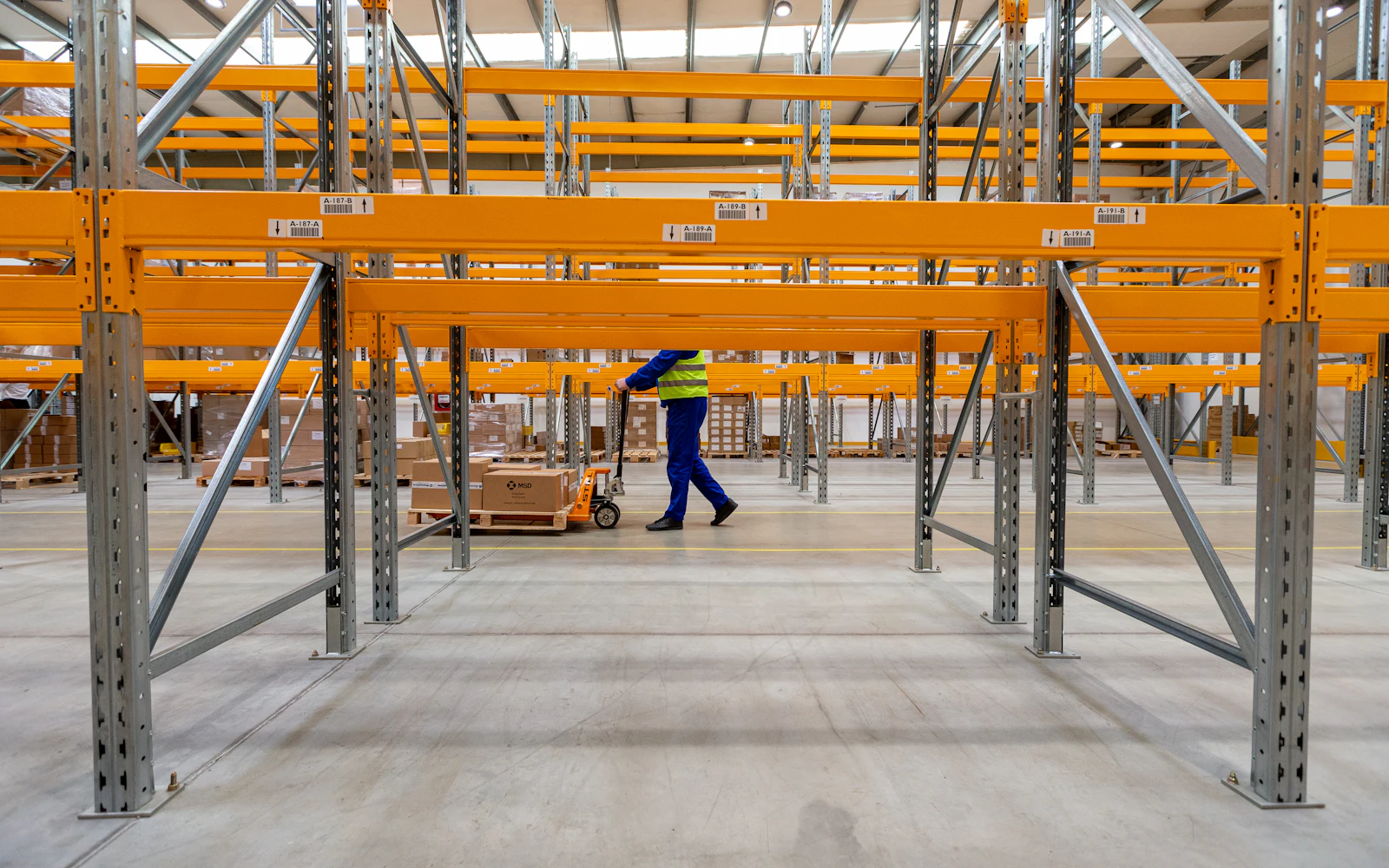
The inspector works from the floor, looking up each frame and along each beam level, and tags anything red there and then.
Talk it through
Before leaving, they run through red items with your person responsible for racking safety so offloading can start.
Report and repair price
The written report follows, and if you asked for one, a separate price for the repairs it lists.
Card and cover, looked at first
Two of these we look at ourselves before a firm's name reaches you. The third is yours to ask for.
We check the card
We look up the named inspector's qualification card on the issuing body's own register, not just the firm's website.
We check the insurance
We ask for the firm's current public liability certificate, because the inspector will be walking a working warehouse.
You ask for a written fee
Get the inspection fee in writing before anyone visits, so it can't drift on the day.
Cold stores, drive-in and high-bay
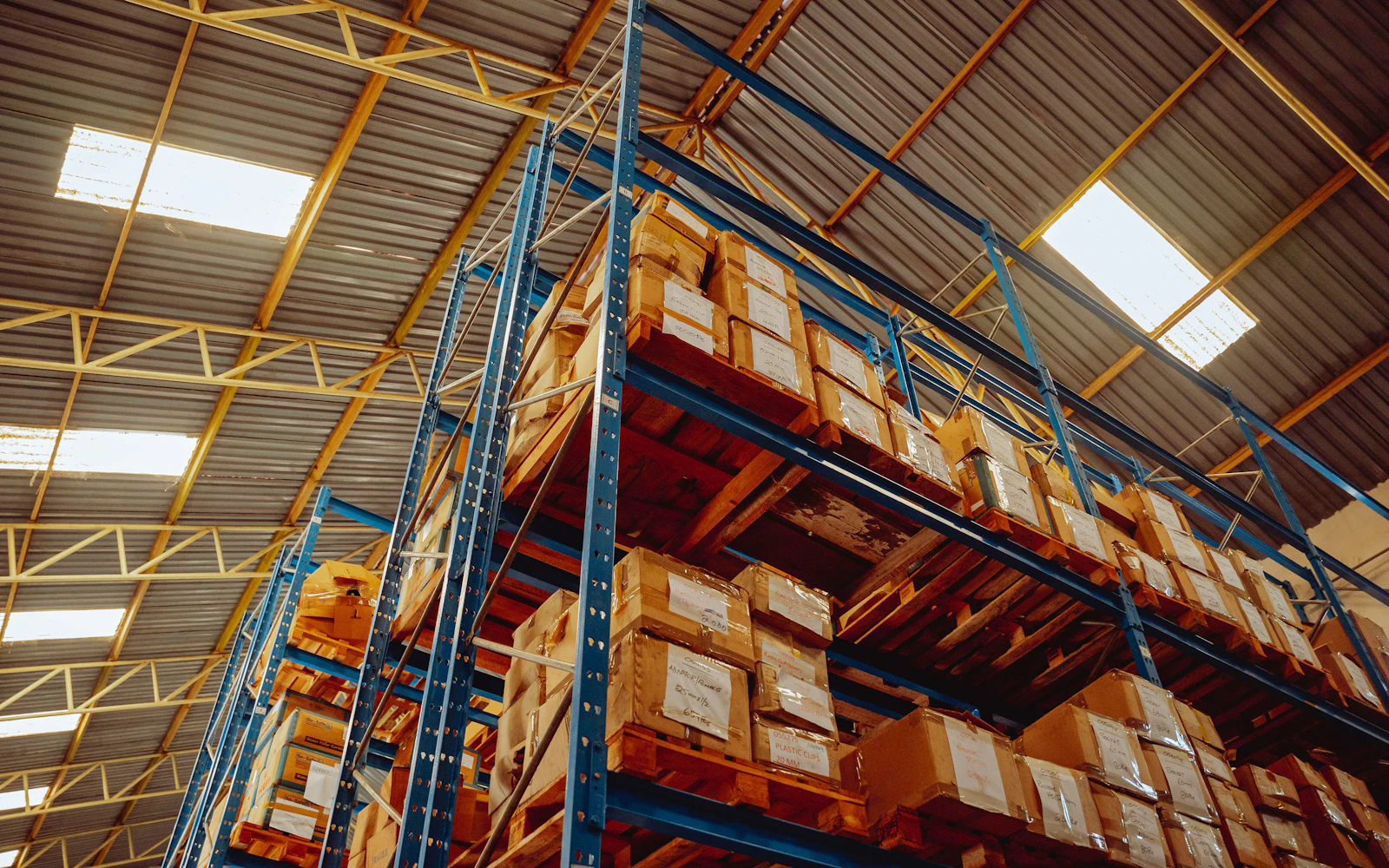
Not every site is a run of standard pallet racking. Drive-in lanes have to be walked from inside, cold stores mean short shifts in freezer suits, and mezzanines on racking add floors, stairs and handrails to the list.
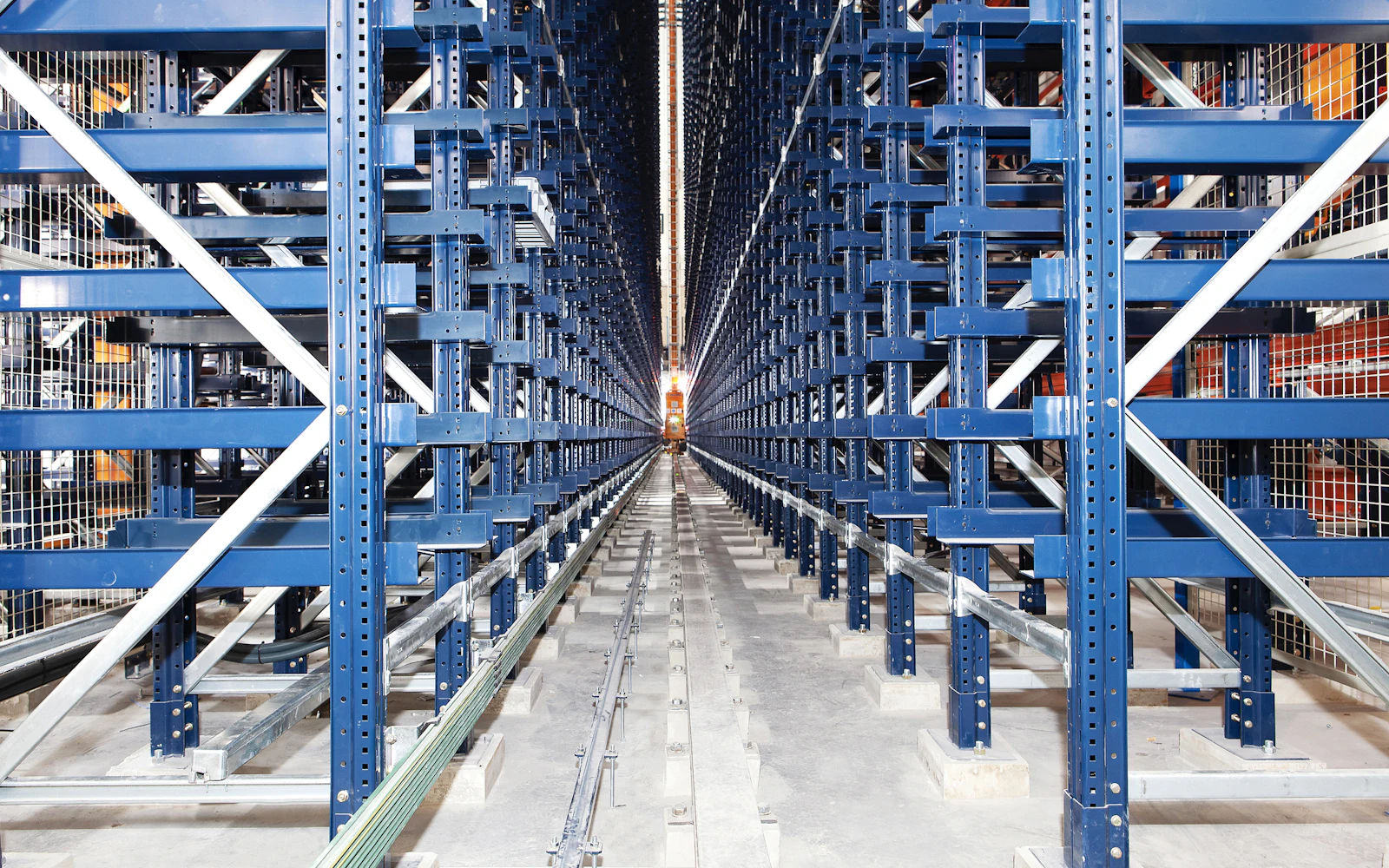
For automated high-bay stores where a full walk is impractical, HSG76 allows a rolling programme that covers at least a fifth of the installation each year, so all of it is seen within five years (HSG76). Tell the firm about these areas when they call, so the right person comes.
Questions warehouse managers ask
How often does pallet racking need inspecting?
An expert inspection at least once every 12 months, plus weekly visual checks by your own trained staff. That is the interval HSE gives in HSG76. Busy sites with lots of truck damage often book every six months.
Who can carry out the annual inspection?
HSE says a technically competent person, who can be from your own staff, your supplier or an independent firm. Most sites use an independent inspector with a recognised qualification. Our regulations page explains what to look for.
Do we have to stop picking while the inspector is on site?
No. Inspections are done from ground level while the warehouse keeps working. You may need to clear an aisle for a few minutes so the inspector can see a damaged frame safely.
What does an inspection cost?
It depends mostly on how many pallet locations you have. Our racking inspection cost guide splits it by pallet count and has a calculator.
Can the same firm inspect and repair?
Yes, and many do. Some sites prefer an inspector who doesn't sell repairs, so the report stays independent. Say which you want when the firm calls. Our repairs page covers what happens after the report.
Find an inspector near your site
Four boxes and you are done. We pick an inspection firm that covers your postcode and tell you its name; nothing about you is passed on until you say yes. There is no charge to you.
Pallet Racking Inspection is an independent matching service and does no inspecting itself. Fees, dates and terms are agreed between you and the firm.
Received
- Watch your inbox for the name of an inspection firm near the site.
- Reply yes to be put in touch, or no to stop.
- If yes, the firm gets in touch to talk through bays and access.